
AIR Control Display and VT-01 transponder (class 2) kit
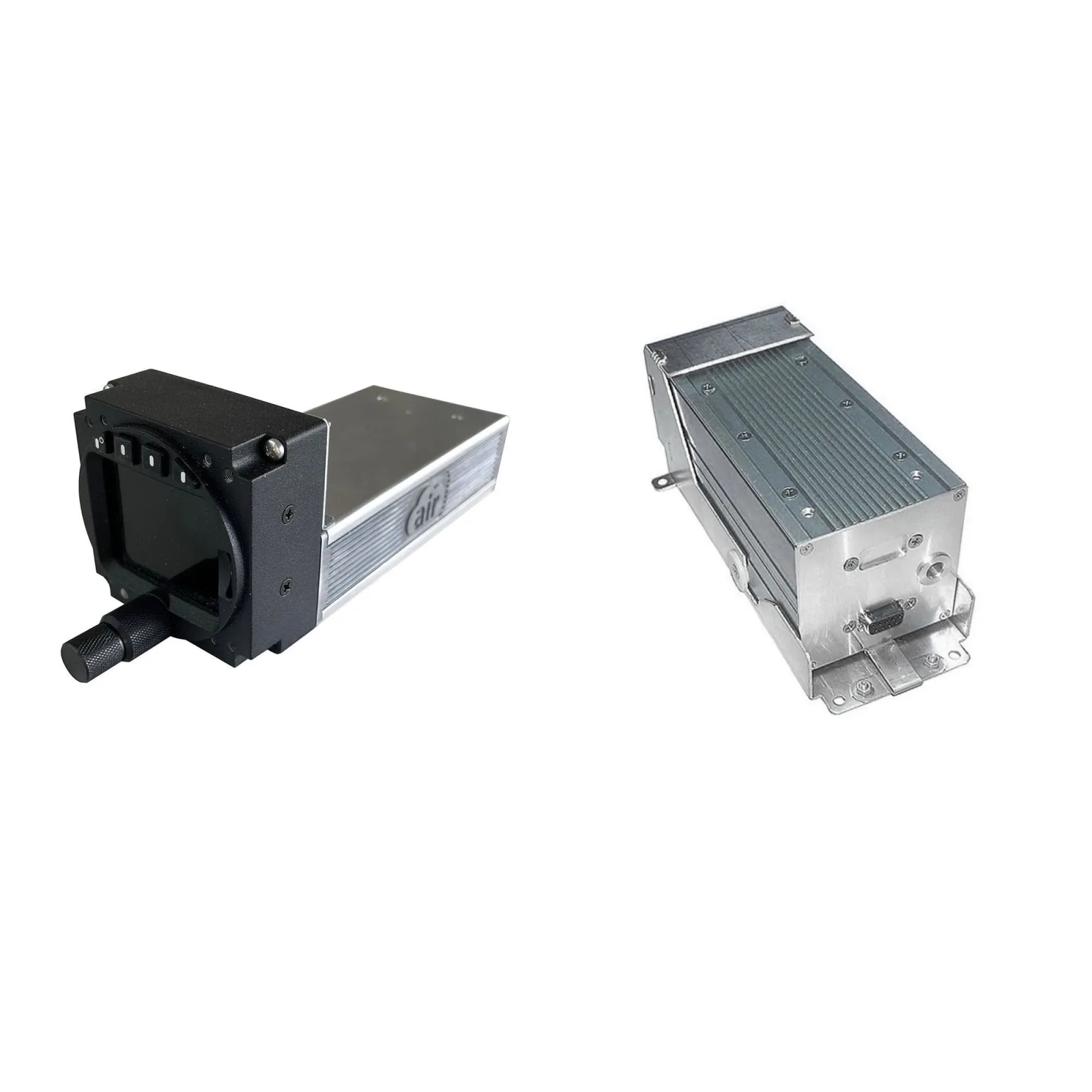
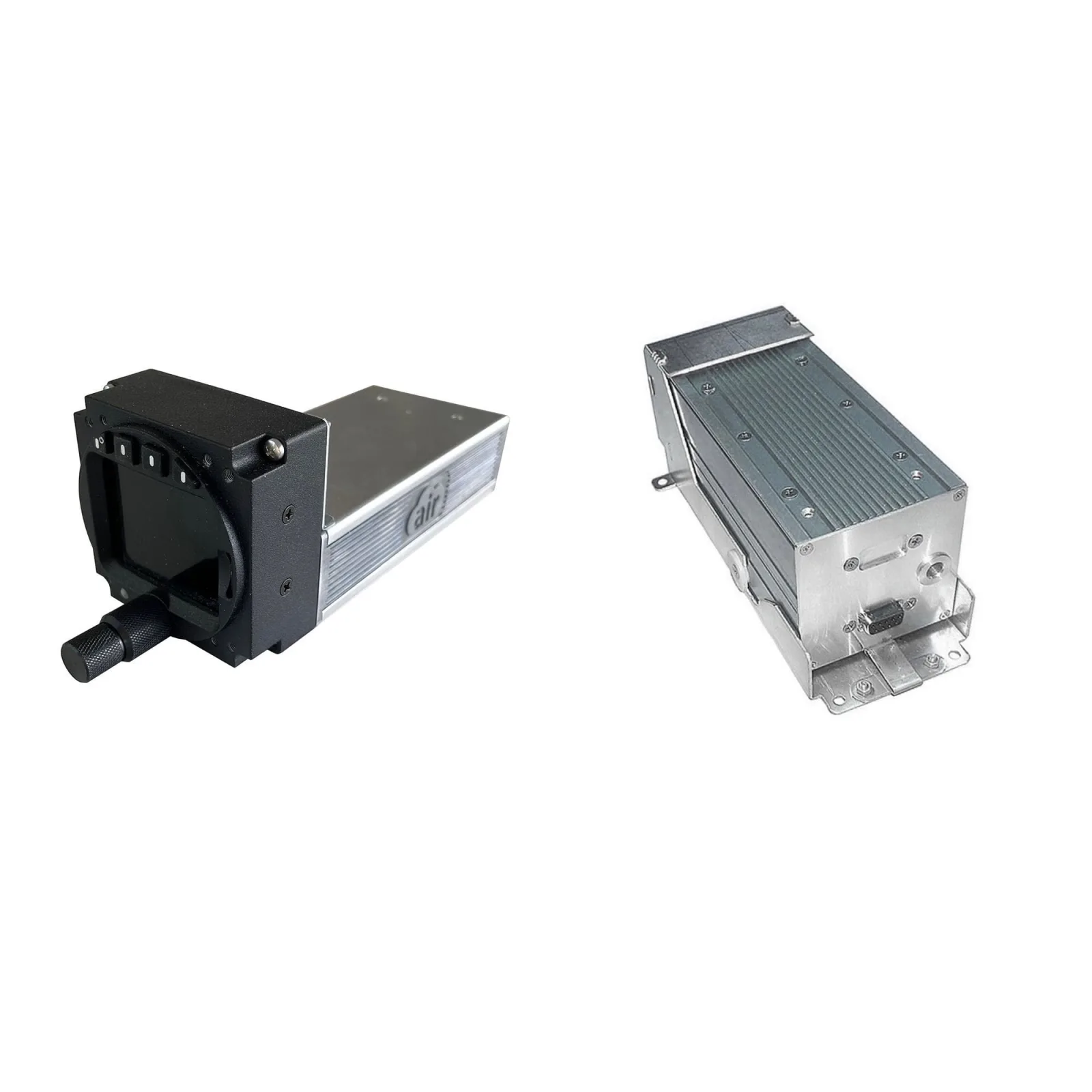
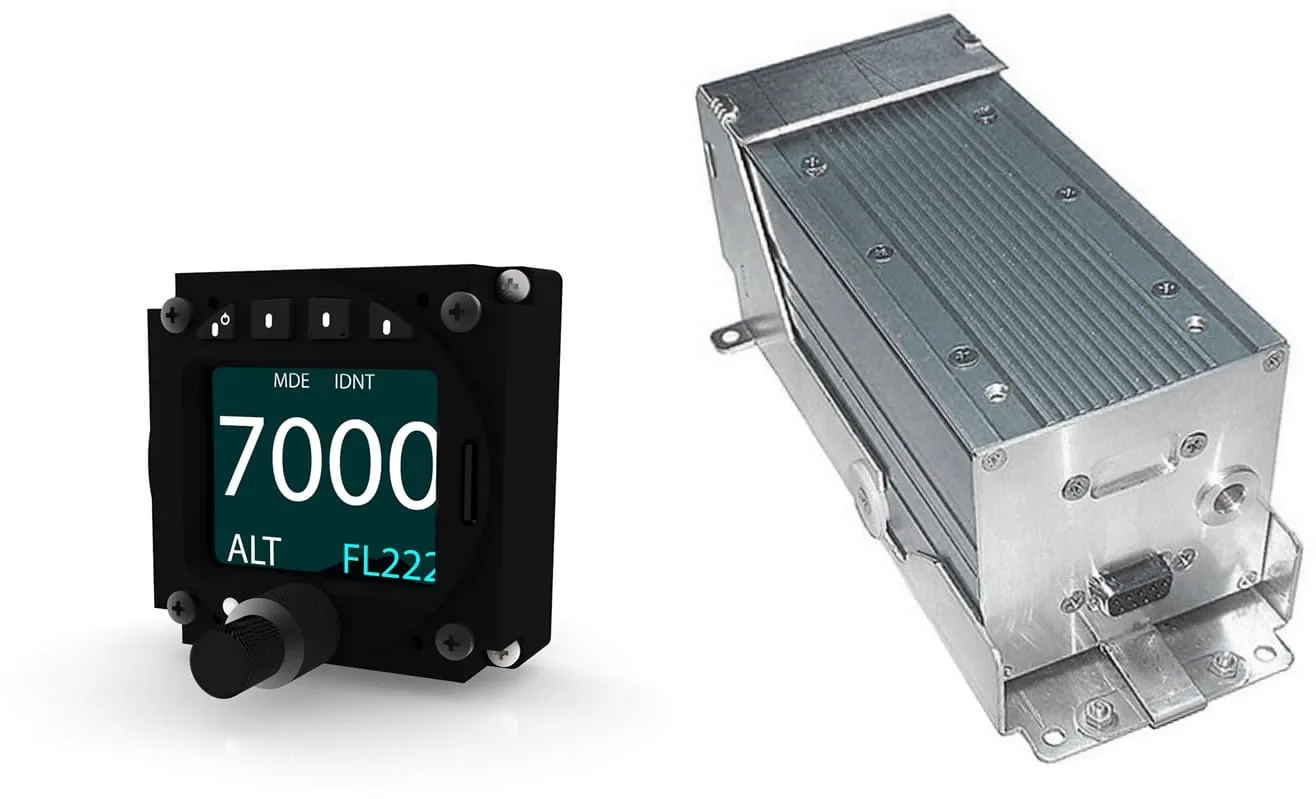
A complete Mode-S transponder installation for a small panel: the VT-01 Class 2 remote transponder, the 57 mm AIR Control Display that drives it, and the cable between them.
- A complete Mode-S installation for a small panel: remote transponder, 57 mm control display and the cable between them
- The cradle lets one transponder move between club gliders without tools
- Class 2 — what a glider or light aircraft below 15,000 ft and 175 kt needs, and what saves the battery
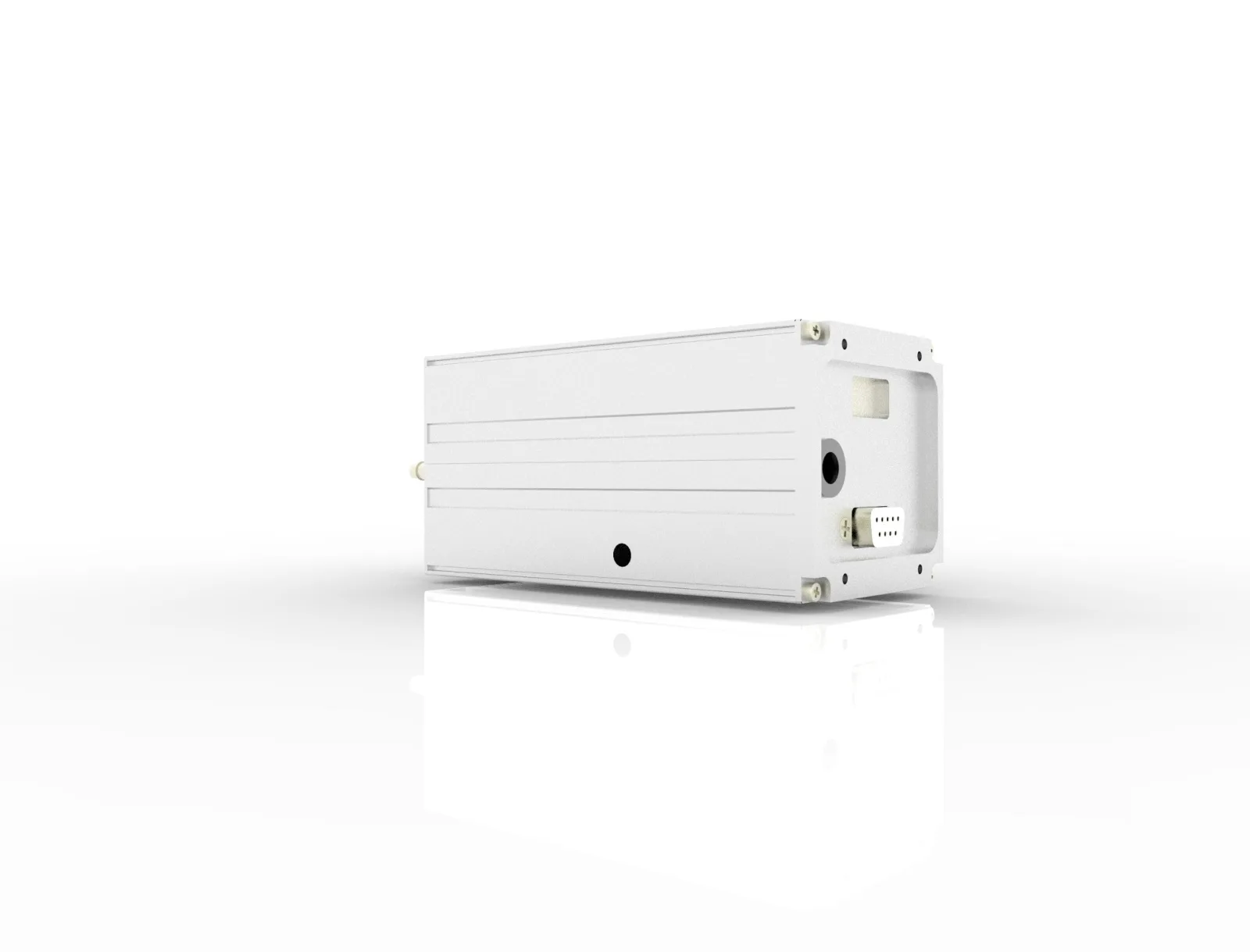
- VT-01 Mode-S transponder, Class 2, with installation cradle
- AIR Control Display, 57 mm
- Data bus cable, VT-01 to AIR Control Display
You may also like.
Details.
The VT-01 is a transponder in two blocks: the transponder itself, which lives behind the panel, and a control display in front of the pilot. This kit is both blocks and the cable that joins them, in the Class 2 version — the one sized for gliders and light aircraft that stay below the altitudes and speeds where Class 1 output is required.
What is in the kit
- VT-01 Mode-S transponder, Class 2, with its installation cradle
- AIR Control Display, 57 mm
- Data bus cable, VT-01 to AIR Control Display
Why two blocks
The transponder goes where there is room and the display goes where the pilot can reach it. The cradle lets the transponder move between aircraft without tools, which is why club fleets like the VT-01: one control display in each glider, one transponder that flies today.
Class 2
Minimum 150 W output, against 220 W for Class 1. For a glider or a light aircraft operating below 15,000 ft and 175 kt, Class 2 is what the regulations ask for and what saves the battery. The Class 1 version of this kit is available for aircraft that need it.
Grows into a radio stack
The AIR Control Display can also drive an AIR COM radio, and with the altimeter licence it becomes a digital altimeter as well — three functions on one 57 mm face. On a Navia system the transponder is a declared device on a serial port, driven from the map.
Questions pilots ask.
Class 1 or Class 2?
Class 2 is a minimum 150 W output against 220 W for Class 1 — the right choice for gliders and light aircraft operating below 15,000 ft and 175 kt. The Class 1 kit is available for aircraft that need it.
Can the display do more than the transponder?
Yes — the AIR Control Display also drives an AIR COM radio, and with the altimeter licence it becomes a digital altimeter as well.